



by Dr. Nazanin Firooz
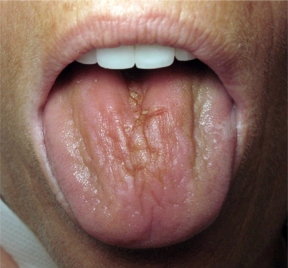
Sjögren’s syndrome is a chronic autoimmune disease where the immune system mistakenly attacks the moisture-producing glands of the eyes and mouth causing dry eyes and dry mouth.
In addition to causing dry eyes and dry mouth, Sjögren’s syndrome can affect other organs like the skin, lung, heart, kidney, and nerves.
The exact cause of Sjögren’s syndrome is not known, but it is thought that genetic factors together with environmental triggers lead to disease in certain individuals.
Primary Versus Secondary Sjögren’s Syndrome:
In ½ the cases, Sjögren’s syndrome occurs alone and is called primary Sjögren’s syndrome.
In the other half, known as secondary Sjögren’s syndrome, it is associated with another disease like rheumatoid arthritis, lupus, or scleroderma.
Sjögren’s Syndrome Symptoms
Sjögren’s syndrome is a systemic disease. In mild cases in can only cause dry eyes or dry mouth. In more severe cases it can affect other organs:
Eyes: dry eyes, eye infections, corneal ulcers

Mouth: dry mouth, mouth sores, cavities, difficulty with chewing, speech

Nose: dry nose, nosebleeds, chronic sinusitis

Esophagus: difficulty swallowing, heartburn, inflamed esophagus

Lungs: bronchitis, pneumonia, interstitial lung disease

Stomach: upset stomach, slowed digestion, autoimmune pancreatitis

Liver: abnormal liver tests, autoimmune hepatitis, primary biliary cirrhosis

Brain: problems with concentration and memory

Joints/muscle: arthritis, muscle pain

Skin: dry skin, vasculitis, Raynaud’s phenomenon

Genital: vaginal dryness, painful intercourse

Extremities: peripheral neuropathy
Diagnosing Sjögren’s Syndrome
Since dryness of the eyes and mouth is fairly common and can be caused by a variety of different conditions or medications, definitive diagnosis of Sjögren’s syndrome can be tricky.
1. First, other conditions that can cause these symptoms should be ruled out.

2. Blood tests: Many people with Sjogren’s syndrome have a positive blood test for antinuclear antibodies (ANA), SSA, and/or SSB.

3. Measuring dryness in the eyes by an ophthalmologist or a rheumatologist:

- Schirmer test: a small piece of filter paper is placed on the corner of the eye. Decreased amount of wetting is a subjective way to measure eye dryness.

- Rose-Bengal test: presence of scratches on the surface of the eye may be an indication of dry eyes causing damage to the eye membranes.

4. A salivary gland biopsy may be needed to confirm the diagnosis.
Potential Complications of Sjögren’s Syndrome:
Damage to the surface of the eye from dryness

Increased incidence of dental cavities and mouth infections

Damage to the lung tissues

Damage to the kidney tissues

Abnormal thyroid function

Inflammation of the vessels (vasculitis)

Increased risk of lymphoma (cancer of the lymphatic system)
Treatment of Sjögren’s Syndrome:
Although there is no cure for Sjögren’s syndrome, there are good treatments that can improve the symptoms and prevent complications:
Dry eyes – the goal is to increase tear production or decrease drainage of tears.
Lubricating drops- Artificial tears can be used throughout the day (ex. Refresh, Tears Naturale Free, etc.). Thicker eye gels that last longer but are difficult to see through may be used at night (ex. Refresh PM, viscotears, etc.).

Prescription drops- Cyclosporine ophthalmic drops (Restasis) and hydroxypropyl cellulose ophthalmic insert (Lacrisert).

Punctal plugs- this involves plugging the ducts in the eyes that drain the tears from the eyes to the nose.
Dry mouth – the goal is to increase salivation
Frequent sips of water

Sucking on sugarless candy, lozenges, dried fruits, or chewing gum

Medications to stimulate saliva production: Pilocarpine (Salagen), Cevimeline (Evoxac)

In addition, good dental hygiene and care such as brushing, flossing, fluoride supplementation via toothpaste, and regular dentist visits is important to prevent dental decay.
Dry skin – moisturizing creams, petroleum jelly.
Vaginal dryness– use of vaginal moisturizers, estrogen cream, vitamin E oil, and vaginal lubricants.
Acid reflux (heartburn)– this is treated the same as acid reflex in any other person: decrease intake of caffeine, spicy and greasy foods, eat smaller meals, do not lay down after eating, do not eat for 3 hours before going to bed, and elevate the head of your bed. Over the counter and prescription medications for acid reflux can also be used.
Joint and muscle pain– Tylenol, Nonsteroidal anti-inflammatory drugs (NSAIDs, like advil, ibuprofen, aleve) can be used as needed.
Systemic treatment– Plaquenil, Rituxan, and other immunosuppressive medications may be used in persistent cases.
Reference:
UpToDate – Sjögren’s syndrome (Beyond the Basics)