
Infusion Therapy
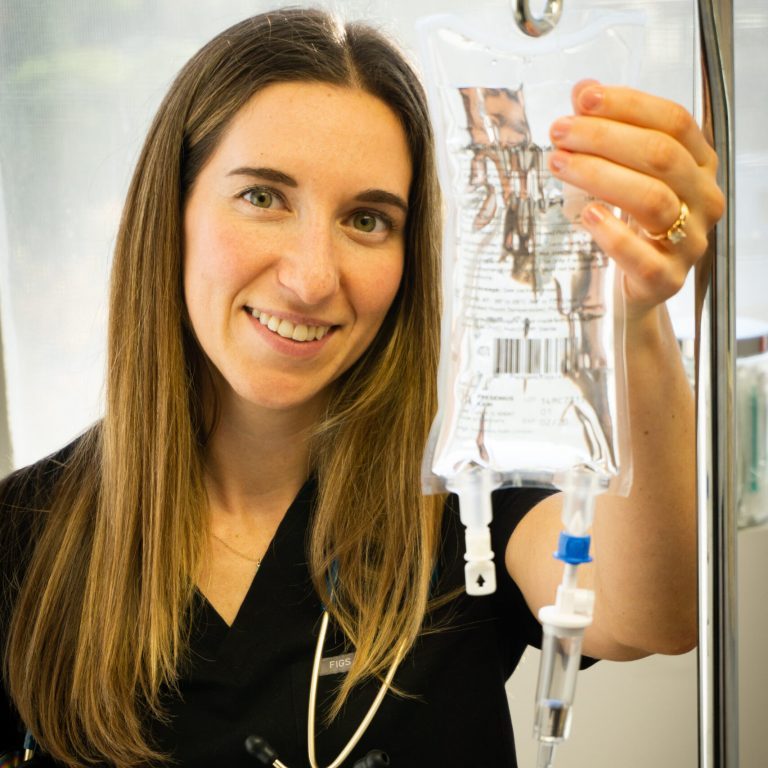
Infusion After Care
FAQ
When will Comprehensive Rheumatology Center recommend infusion therapy?
How is infusion therapy performed?
Is infusion therapy effective?
Are there any risks to infusion therapy?
While infusions are relatively safe, some risks can be associated with them that you should be aware of:
-Phlebitis- is inflammation of the vein where the IV is placed. Common symptoms are pain, redness, swelling, and warmth in the area. To prevent this, the smallest possible needle is used to administer the IV.
-Infiltration- this happens if the fluid or medication gets in the tissue instead of the vein. You will notice swelling of the tissue around the IV and the skin may get firm, red and tender. To treat, the needle is removed and a warm compress is applied to the area.
-Hematoma- happens when there is a leakage of the blood from the vein into the surrounding tissue. It is treated with direct pressure and usually resolved after a few days.
-Air embolism- occurs as a result of a large volume of air entering the vein through the IV. Air embolisms are easily prevented by ensuring that all the air bubbles are out of the IV tubing before starting the IV.
-Infection- since the skin is penetrated by a needle, there is a risk of infection either of the skin or the IV. Symptoms can include pain, swelling and/or fever. To prevent infections, the site of injection is cleaned properly and all equipment contacting the area are kept sterile.
-Risks associated with the infused medication- see information specific to each medication for description of potential risks.